Sub-Total: $0.00
Choosing a Fishing Rod
Choosing a Fishing Rod
From action to grip, understand what shapes your perfect setup.
Factors to Consider When Choosing Rod
Fishing Style
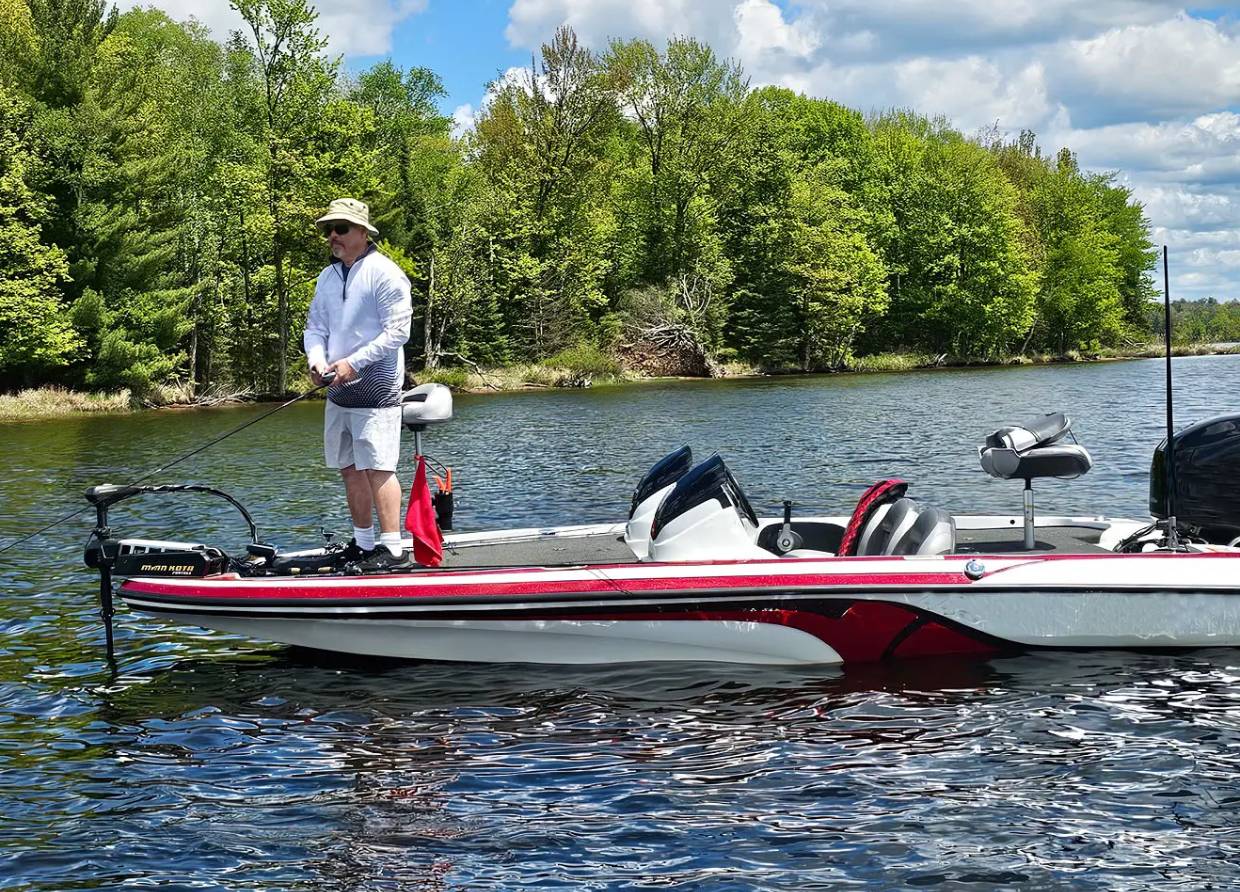
The choice of rod blank material should align with your specific fishing style, as different materials cater to different fishing needs. For instance, if you are into fly fishing or bass/striper fishing, where sensitivity and the ability to make precise casts are crucial, a graphite rod blank would be ideal due to its lightweight and stiff nature. Alternatively, if your focus is on trolling or deep-sea fishing, where durability and strength are key, fiberglass rod blanks would be more suitable. For those who engage in a variety of fishing styles, composite rod blanks offer a versatile solution, blending the sensitivity of graphite with the toughness of fiberglass.
Rod Action and Power
Rod action and power are critical factors influenced by the material of the rod blank. Action – Rod action, which refers to where the rod bends when pressure is applied, can range from slow (bending throughout the length of the rod) to fast (bending near the tip). Graphite rods typically offer faster actions, while fiberglass rods usually provide slower actions.
What Are Fishing Rod Blanks
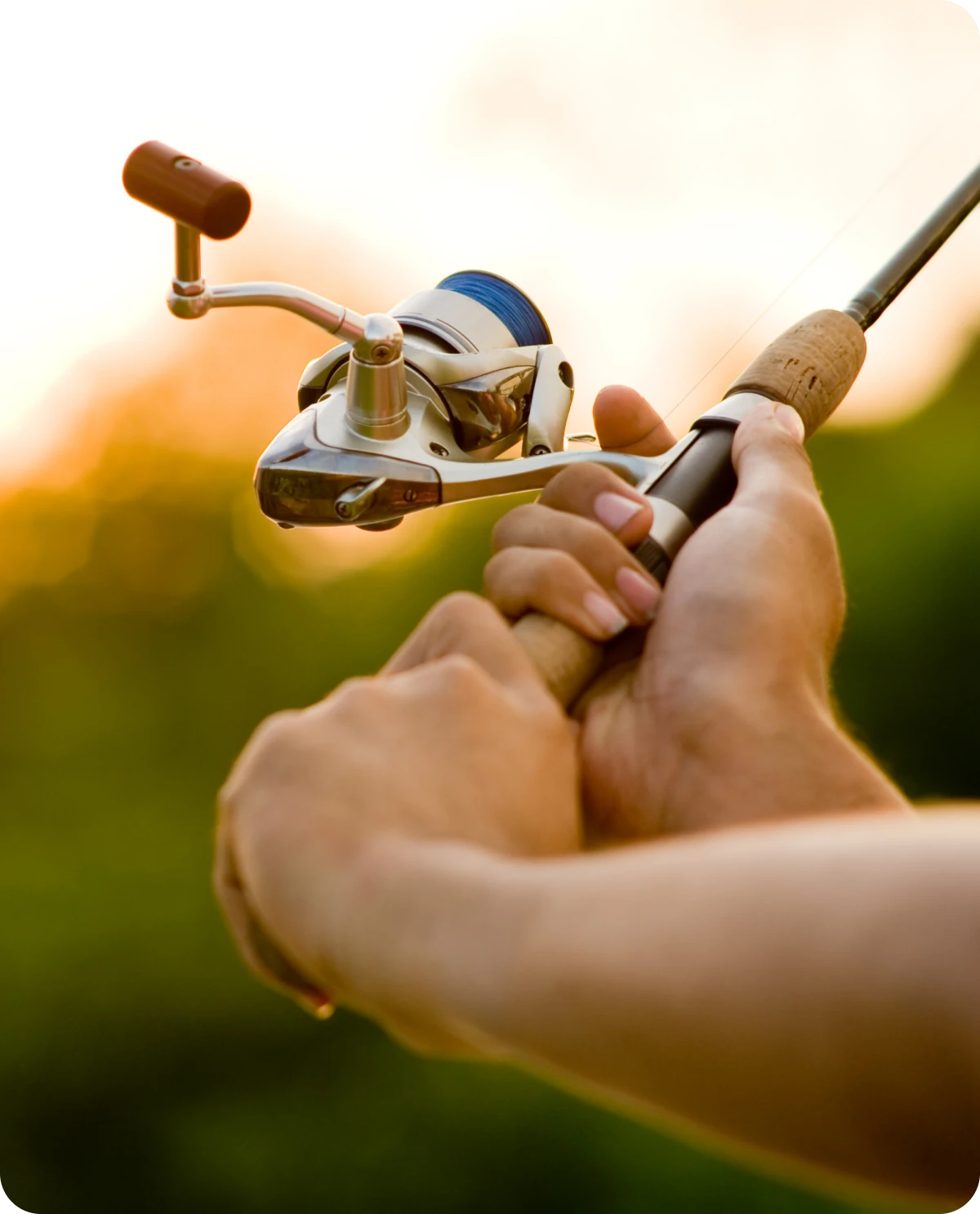
Fishing rod blanks are the long, cylindrical backbone of fishing rods. Rod blanks determine how the rod will bend and how much power it can exert when casting or fighting a fish. They come in various materials, lengths, diameters, and tapers, each tailored to specific types of fishing. In essence, the rod blank is the central piece that dictates the performance and suitability of a fishing rod for different fishing scenarios and techniques.
Types of Rod Blank Materials
Graphite
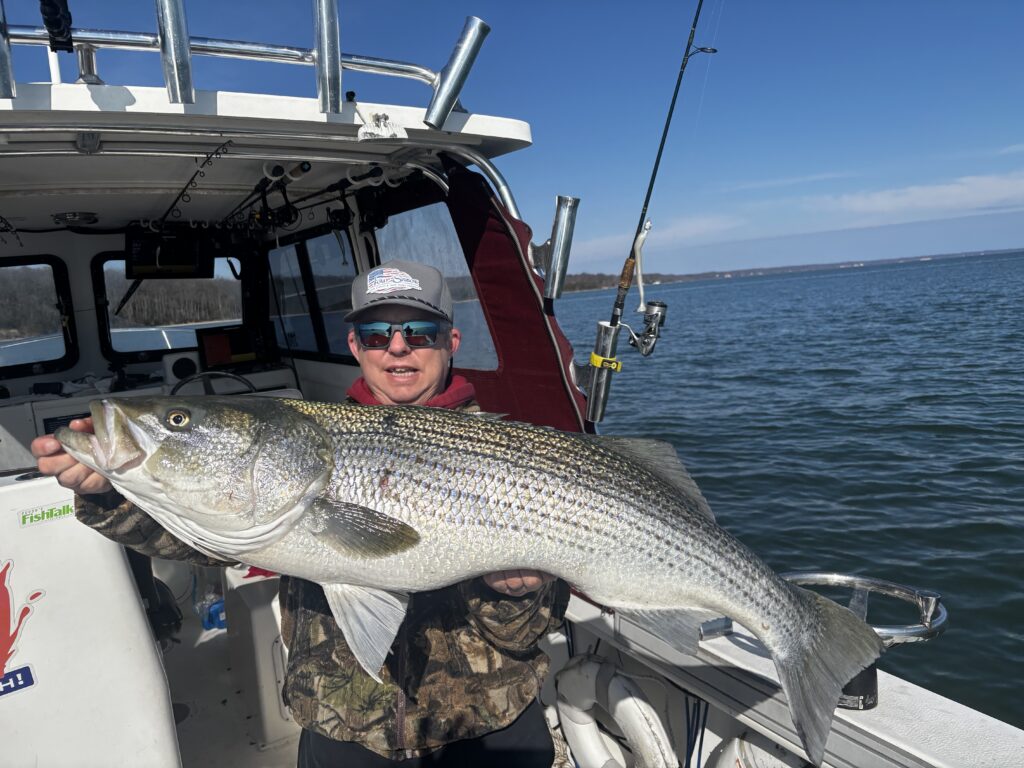
Graphite, also known as carbon fiber, is the most popular material in modern fishing rod construction due to its exceptional sensitivity and lightweight strength. The lightweight nature of graphite rod blanks makes them the most sensitive blanks available. With the lightweight comes some trade-offs. Graphite blanks are comparatively brittle, and minor nicks or scratches can significantly lower the structural integrity of a rod blank. Carbon fiber blanks tend to have faster actions, where the rod bends closer to the tip, which makes the rod feel more sensitive. Graphite rod blanks are popular for nearly all types of fishing. Notable exceptions include trolling and targeting the largest fish, where material strength is valued over sensitivity.
Fiberglass
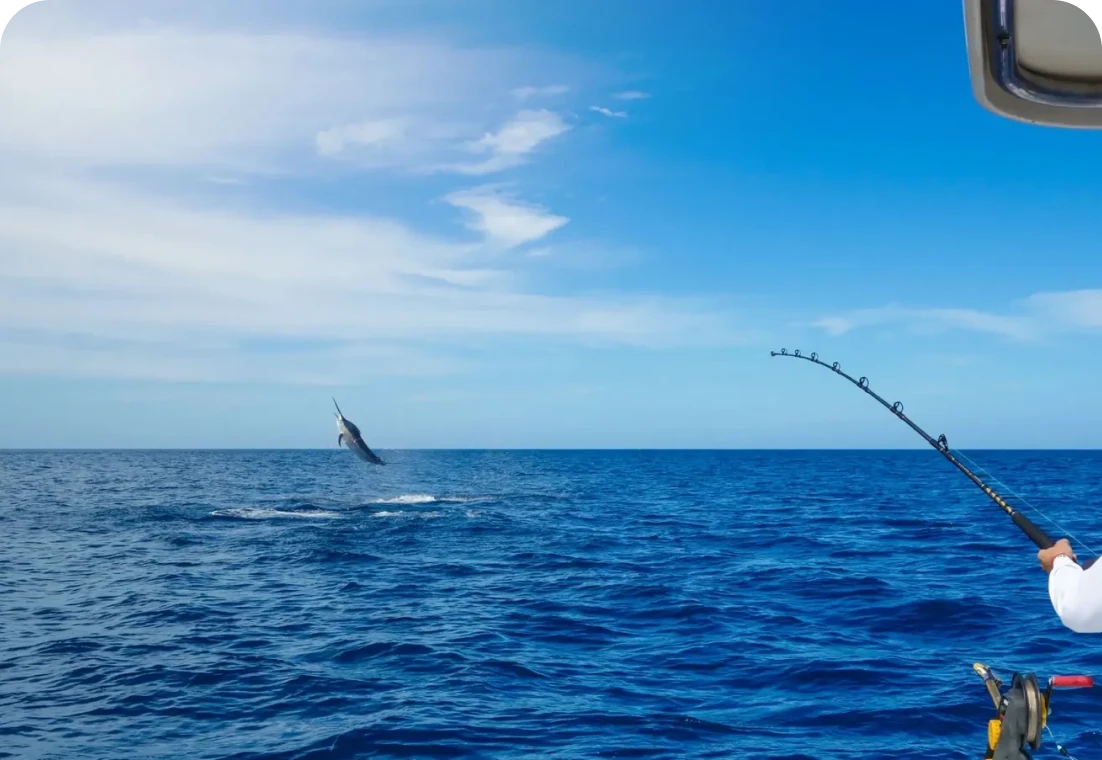
Fiberglass rod blanks are known for their durability and flexibility, making them a great choice for trolling or for those targeting heavy, fighting fish. These blanks are generally heavier and more flexible than graphite, which results in a slower action. This means the bend in the rod is more uniform throughout its length, offering a good balance of power and giving during a fight with a fish. Fiberglass rods are less sensitive compared to graphite rods, but their toughness and ability to withstand rough handling make them a popular choice for trolling and targeting huge fish.
Composite
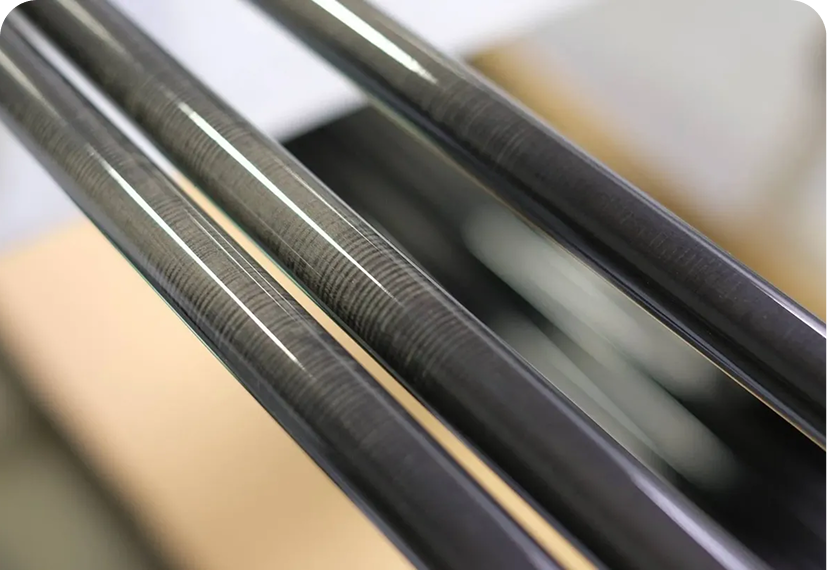
Composite rod blanks combine the best qualities of both graphite and fiberglass, offering a balance between sensitivity and durability. These blanks are constructed by blending fiberglass and graphite materials, allowing anglers to exploit the lightweight and responsive nature of graphite while benefiting from the toughness and flexibility of fiberglass. This makes composite rods extremely versatile, suitable for a wide range of fishing conditions and styles. They are particularly favored by anglers who need a multipurpose rod that can handle various fishing scenarios without compromising on performance.
Choose a Rod Action Based on the Fishing Technique
Here is a short list of my general action recommendations.
Jigging: Fast to Extra Fast Action
Ideal for precise movements, sensitivity, and quick hooksets.
Spinnerbaits: Fast Action
Offers a balance between flexibility for casting and stiffness for control.
Topwater Fishing: Fast Action
Provides the necessary responsiveness for working topwater effectively.
Crankbaits: Moderate Action
Increased rod flex gives crankbaits a more natural movement.
Trolling: Moderate Action
Sensitivity is not a concern. Moderate action puts more give into the system and acts like a shock absorber for fish strikes.
Fishing With Soft Plastic: Fast Action
Offers sensitivity for detecting subtle bites and power for hook setting.
Surf Fishing: Moderate to Fast Action
Softer actions allow for increased casting distance.
Fishing Rod Power Guide by Species and Technique
Power, or the rod’s resistance to bending, is also influenced by the blank material. Heavier and more powerful rods, often made from fiberglass, are for bigger, stronger fish, whereas lighter, more sensitive rods, typically crafted from graphite, are better for smaller species and lighter lines. Below is a short list of my general rod power recommendations for different fishing techniques:
-
Inshore fishing (redfish, speckled trout, flounder, bluefish): Medium power.
-
Bass fishing: Medium to heavy power.
-
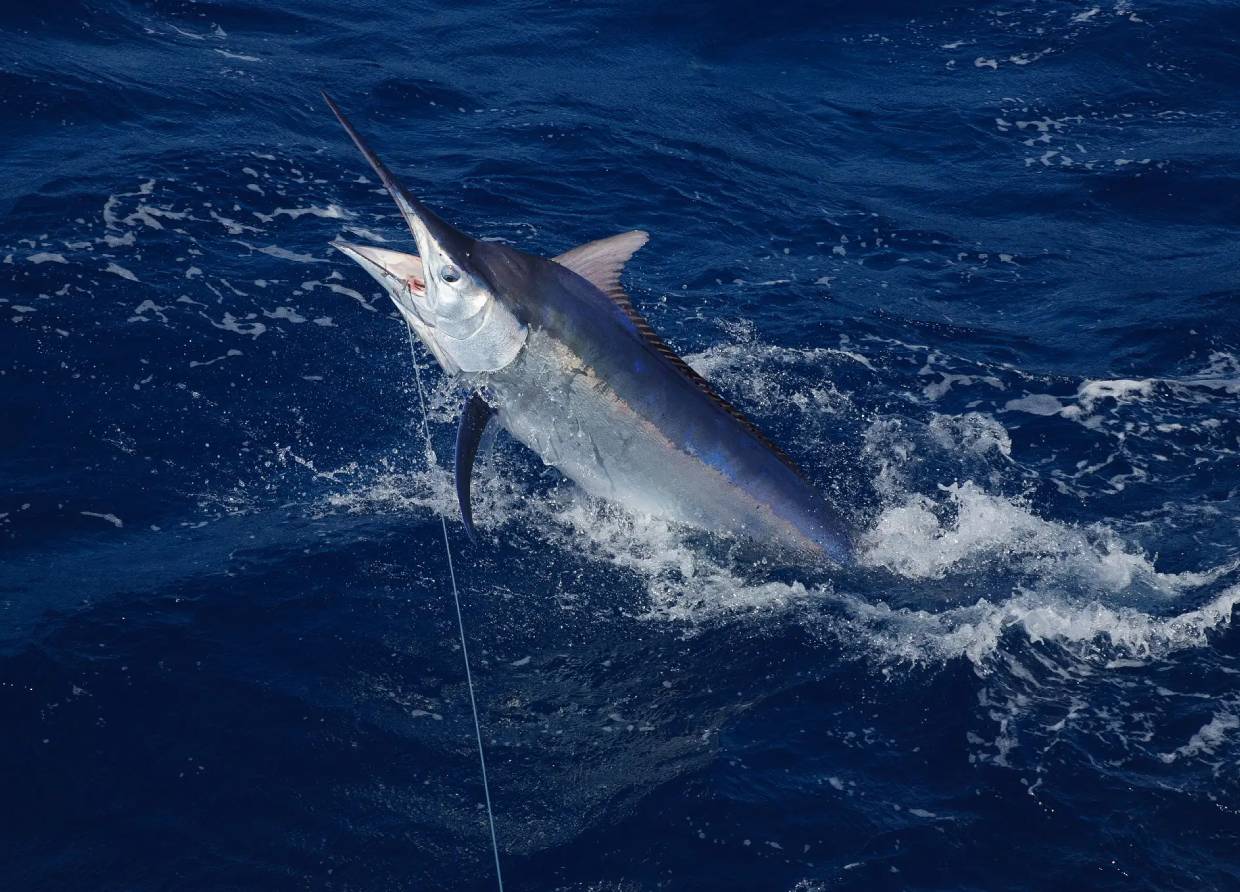
Deep-sea fishing (tuna, marlin): Heavy to extra-heavy.
-
Panfish: Ultralight to medium-light power.
-
Walleye: Medium-light to medium power.
-
Surf fishing: Medium-light to medium power.
-
Trolling for salmon or lake trout: Medium-heavy to heavy power.
Understanding the Relationship Between Rod Action, Power, and Blank Material
This is Essential for Selecting the Right Rod for Your Target Species and Fishing Technique
Attached to the rod blank are rod guides, which also impact sensitivity, power, and rod strength. When selecting fishing rod guides, consider the following factors: fishing technique (casting, spinning, or other), line type (monofilament, fluorocarbon, etc.), and rod application should match the rod’s intended use, such as freshwater or saltwater. However, there are 3 basic guides we use: ringed (feature a ceramic or metal ring that protects the fishing line from wear and tear), ringless guides (have a minimalistic design without a traditional ring), and wire guides (usually used in fly rods). All rod blanks ordered will have the correct guides that match the rod blank unless the customer orders specific guides.